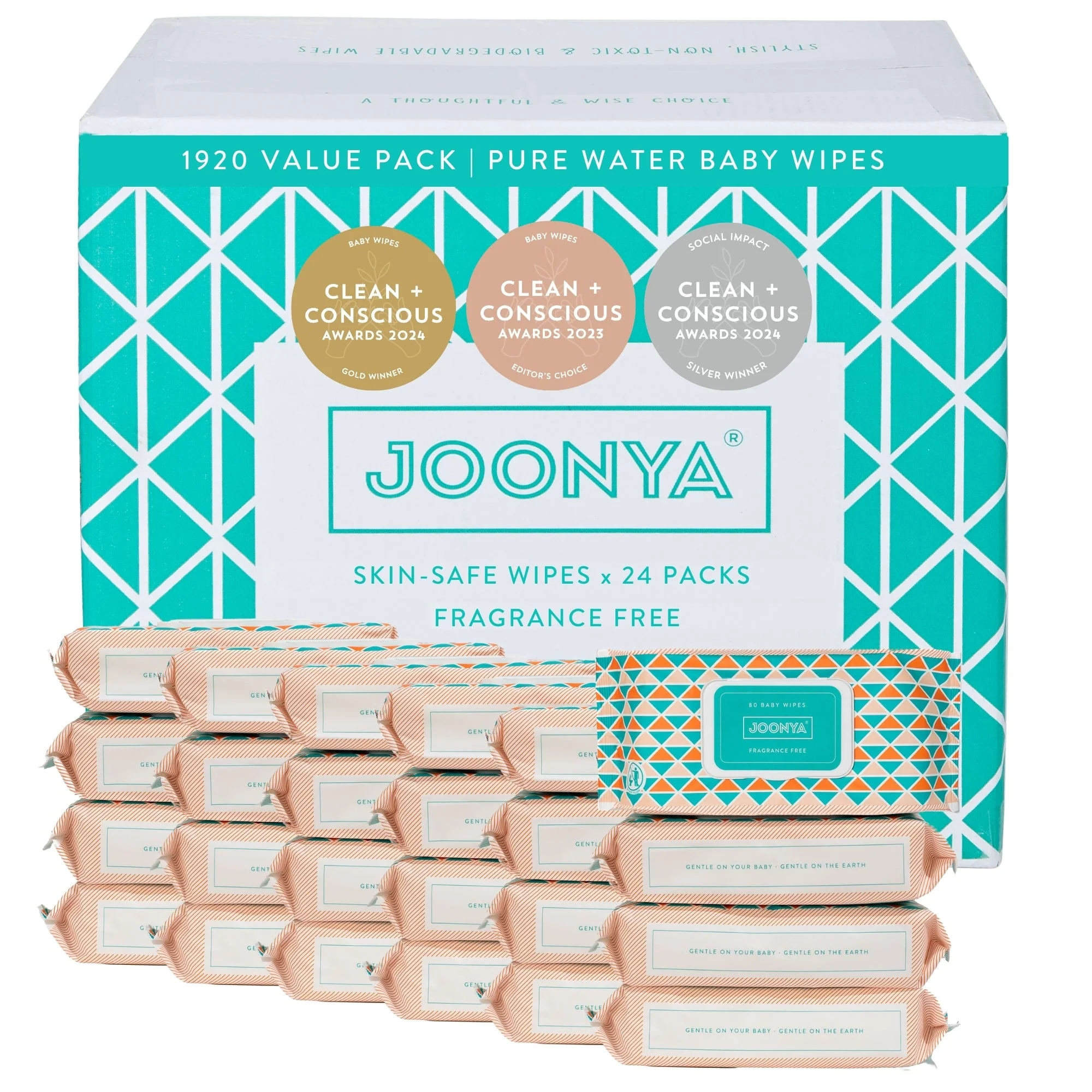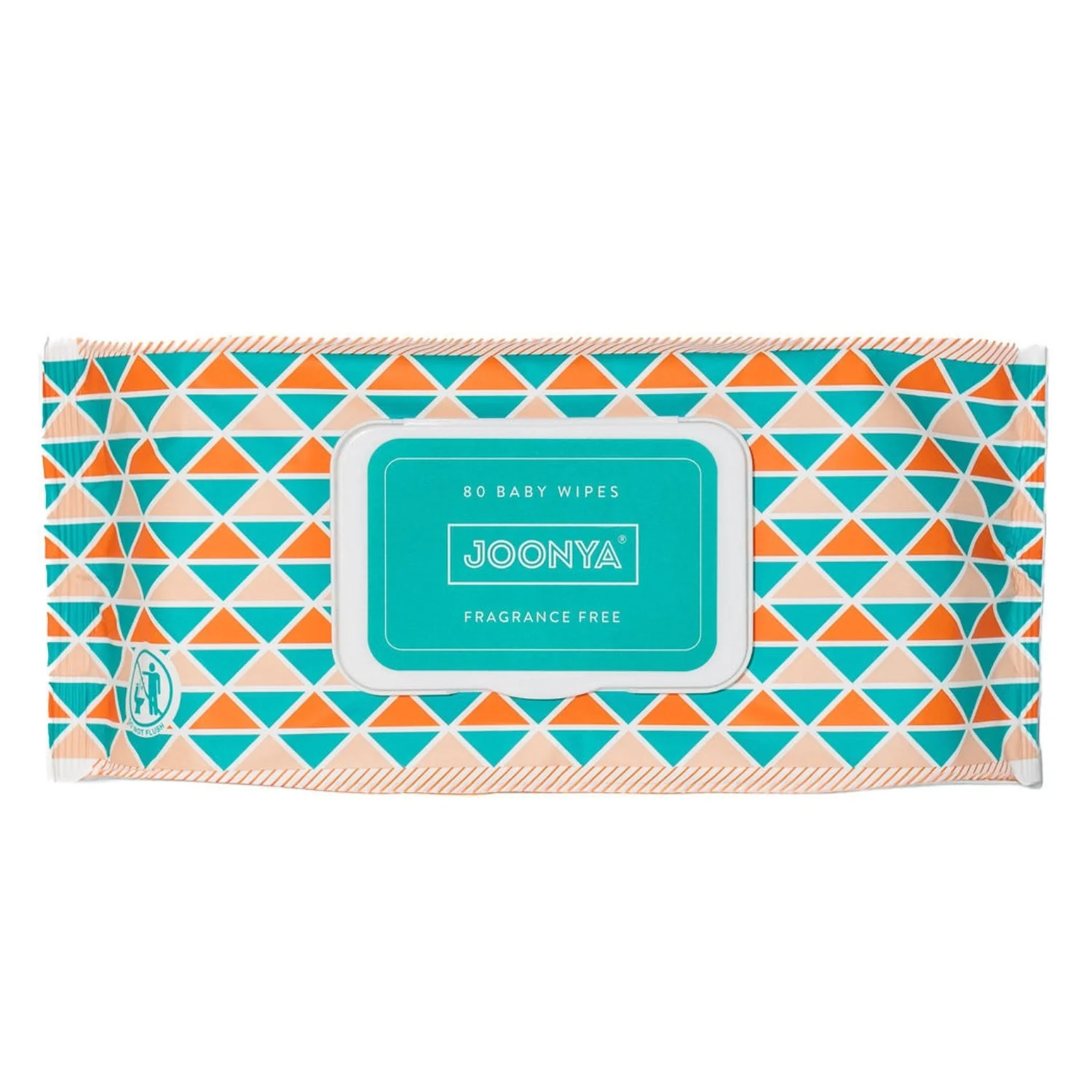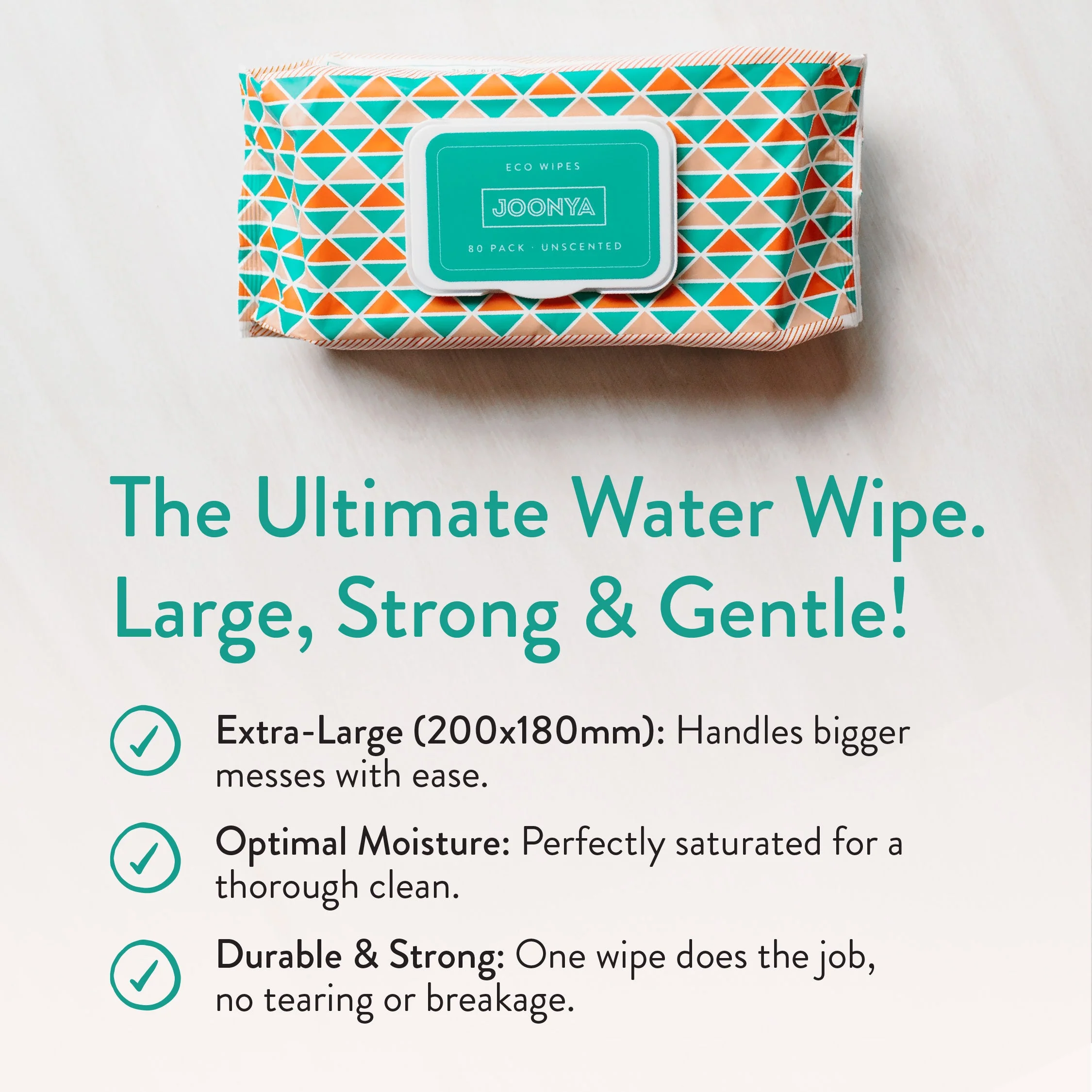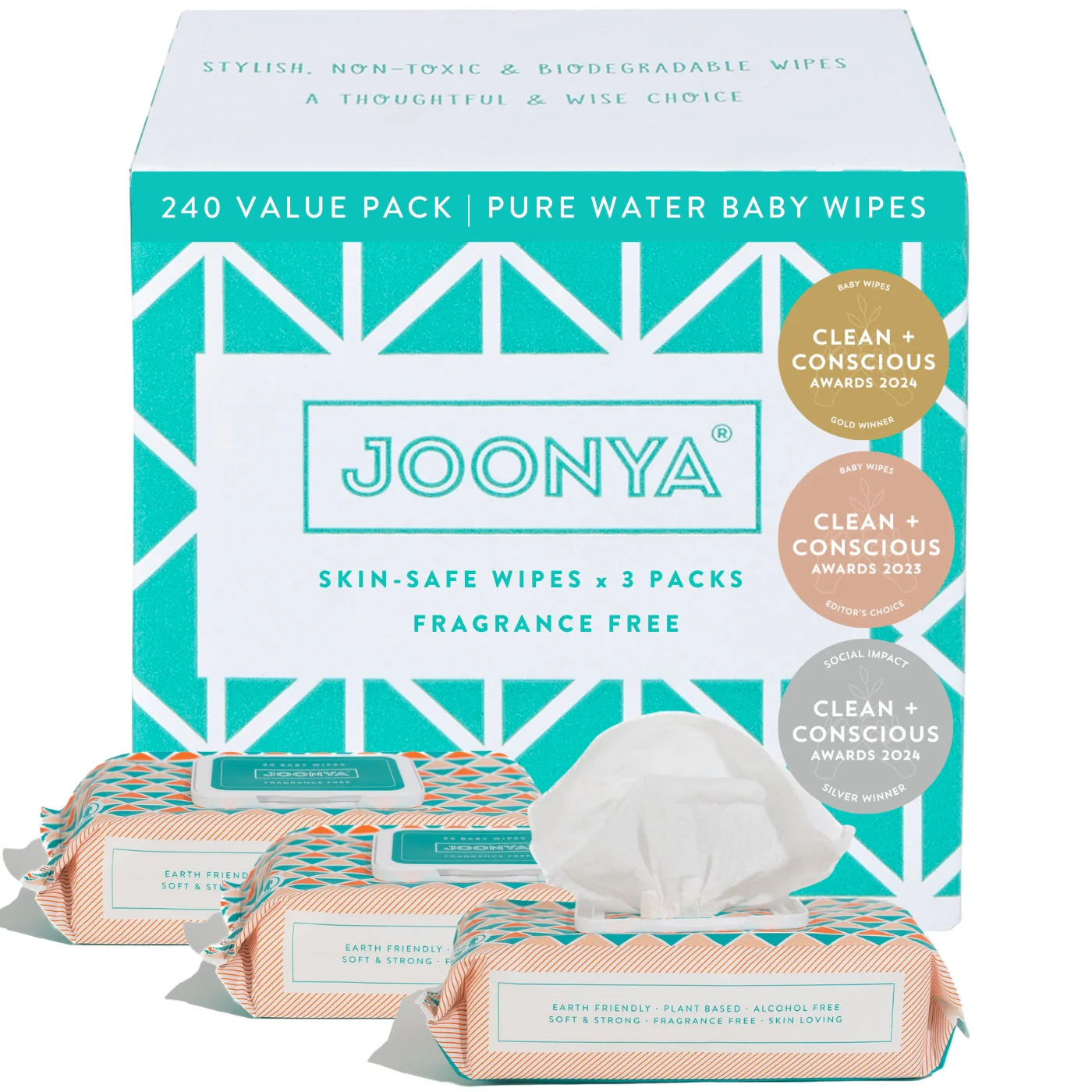
Kinder by Nature 100% Biodegradable Water-Based Baby Wipes - 672 Count (12 packs of 56 wipes)
Kinder by Nature 100% Biodegradable Water-Based Baby Wipes - 672 Count (12 packs of 56 wipes)
Looking for an easy way to tell whether a wipe is made from natural materials or plastic?
Wipes made with 100% natural viscose may gently cling together due to their soft, plant-based fibers, while plastic wipes separate easily because of their synthetic composition.
These water-based baby wipes are crafted from 100% biodegradable wood pulp and contain 99% water, making them an excellent choice for babies with eczema or sensitive skin. Each pack is wrapped in 100% recyclable packaging for a fully eco-friendly experience.
A multiple Mother & Baby Gold Award winner, these wipes help protect delicate skin from irritation while reducing plastic pollution. Many traditional wipes are made from 100% plastic and can take up to 450 years to break down—making natural alternatives a far more sustainable option.
Original: $44.50
-70%$44.50
$13.35Product Information
Product Information
Shipping & Returns
Shipping & Returns
Description
Looking for an easy way to tell whether a wipe is made from natural materials or plastic?
Wipes made with 100% natural viscose may gently cling together due to their soft, plant-based fibers, while plastic wipes separate easily because of their synthetic composition.
These water-based baby wipes are crafted from 100% biodegradable wood pulp and contain 99% water, making them an excellent choice for babies with eczema or sensitive skin. Each pack is wrapped in 100% recyclable packaging for a fully eco-friendly experience.
A multiple Mother & Baby Gold Award winner, these wipes help protect delicate skin from irritation while reducing plastic pollution. Many traditional wipes are made from 100% plastic and can take up to 450 years to break down—making natural alternatives a far more sustainable option.